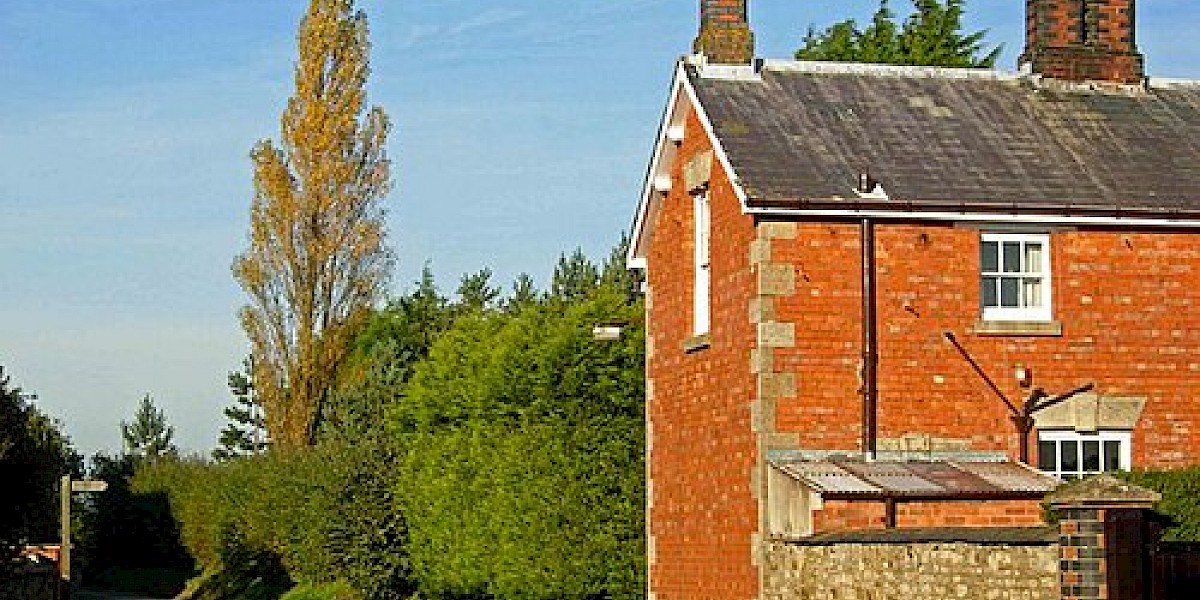
Turn off Watling Street and drift along Banbury Lane and you’ll find Dalscote almost before you know it—a tiny ribbon of mellow iron-stone cottages and converted barns tucked between the larger villages of Gayton and Eastcote, four miles north of Towcester. With barely a couple of dozen dwellings and a single car-body workshop doubling as the village’s informal noticeboard, Dalscote isn’t the sort of place that trumpets for attention; its charm lies in understatement.
Set on a gentle rise, the hamlet looks out over open pasture where red kites circle and the evening sun slides across ridge-and-furrow fields first ploughed in medieval times. Low walls blur into hedgerows tufted with spindle and dog-rose, and springtime cow-parsley froths along Annas Lane until it meets an old drovers’ track that once marched cattle all the way to Banbury market. A short stroll west delivers you to the Roman road of Watling Street—now the A5—reminding modern walkers that long-distance travel has threaded this landscape for two millennia.
With no pub or shop on the doorstep, village life spreads its roots into neighbouring Pattishall, where the Norman tower of Holy Cross still rings the hours and the parish hall plays host to quiz nights, apple-pressing days and travelling pop-up cafés. But Dalscote keeps its own, quieter rituals: summer evenings when neighbours pull garden benches to the lane edge for a shared bottle of Northamptonshire cider; October bonfires that scent the entire ridge with applewood smoke; and frosty December mornings when pony trekkers clip-clop past on the way to bridleways skirting Fosters Booth.
Outward-bound types use Dalscote as a jumping-off point for easy loops: a two-mile circuit through wheat fields to Eastcote for coffee and cakes at the farm shop, or a longer ramble south, following the dismantled Great Central Railway line until the roar of Silverstone’s grandstands drifts across the hedges. Cyclists prize the traffic-quiet lanes that ribbon through Farthingstone and Litchborough before swooping back toward the Tove Valley, while stargazers linger after dark—far from streetlamps—to watch Perseid meteors slice across the broad Northamptonshire sky.
Tiny though it is, Dalscote offers that elusive, slow-travel blend of seclusion and easy reach: major roads and market towns lie minutes away, yet dawn here breaks to birdsong and the muffled cough of a distant tractor. Pause on the verge at dusk, when bats flicker above stone gables flushed pink by the sinking sun, and you’ll feel the steady, centuries-deep heartbeat of a hamlet perfectly content to remain one of the county’s quietest secrets.