Folded into a bend of the Great Ouse on Northamptonshire’s southern fringe, Deanshanger is the kind of place that wears its past and present side-by-side. Arrive from Stony Stratford and you cross an old canal bridge where kingfishers sometimes streak low over the water; climb the gentle rise into the village and you’re met by terraces of russet-brick cottages left from the Victorian ironworks, now softened by clematis and the chatter of schoolchildren on their way to morning lessons.
The name itself whispers of long-ago settlers—“Daneshanger”, the Danes’ wooded slope—and for centuries this was a quiet agricultural hamlet within the parish of Passenham. Everything changed in 1823 when ironstone was discovered a few spade-lengths below the fields. Blast furnaces, tramways and a wharf on the newly cut Buckingham Arm of the Grand Junction Canal turned the village into an industrial hotspot; glowing stacks lit the night sky until the 1950s, when the works finally fell silent. Today the old foundry site has been reborn as a pocket park threaded with art pieces forged from salvaged girders, and the canal towpath has traded coal barges for fishermen and cyclists following the Ouse Valley Way.
Village life revolves around the central Green, edged by an award-winning community orchard and a Co-op that seems to know every resident’s preferred loaf. The Beehive pub mixes craft ales with Wednesday quiz nights, while the Old School Coffee Shop—housed in the original 1859 schoolroom—turns out sourdough toasties and slabs of coffee-and-walnut cake to fuel walkers heading for the Midshires Way. On Saturday afternoons the playing fields fill with the red-and-black shirts of Deanshanger Athletic, and the air rings with cheers that roll right down to the river meadow where dog-walkers amble beneath willows.
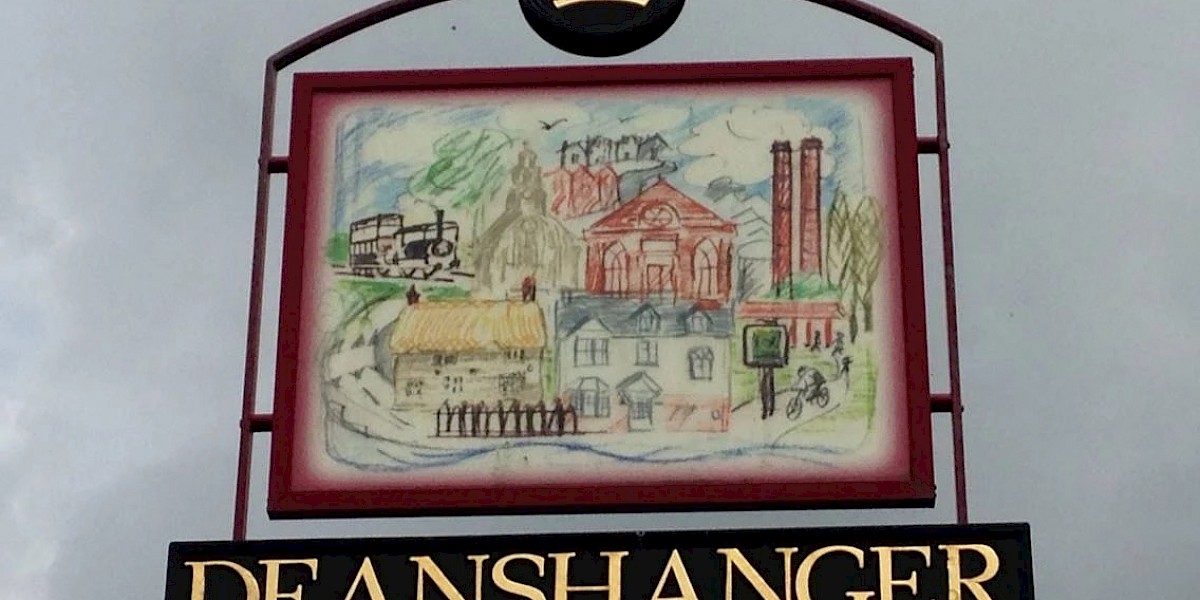
Heritage buffs detour half a mile south to tiny Passenham, where the Jacobean box pews of St Peter and St Paul’s church gleam with centuries of beeswax, but Deanshanger itself offers quieter architectural pleasures: the honey-stone gables of Holy Trinity Church catching late-sun, the wrought-iron village sign depicting a Dane’s longship, the neat symmetry of railway cottages built for men who once drove ore trains to Banbury and beyond.
Modern Deanshanger has grown well beyond its 19th-century core—new estates curve away toward open countryside—but step onto the field-edge paths at dusk and you still hear nothing louder than skylarks and the soft creak of a canal lock gate. It’s this blend of industry-turned-greenway, village conviviality and easy access (Milton Keynes is ten minutes by car, but seems a world away) that gives Deanshanger its understated appeal. Pause for a pint beneath the Beehive’s low beams, follow the towpath until mist rises from the river, and you’ll discover a corner of Northamptonshire where history and everyday life flow together as smoothly as the Ouse itself.