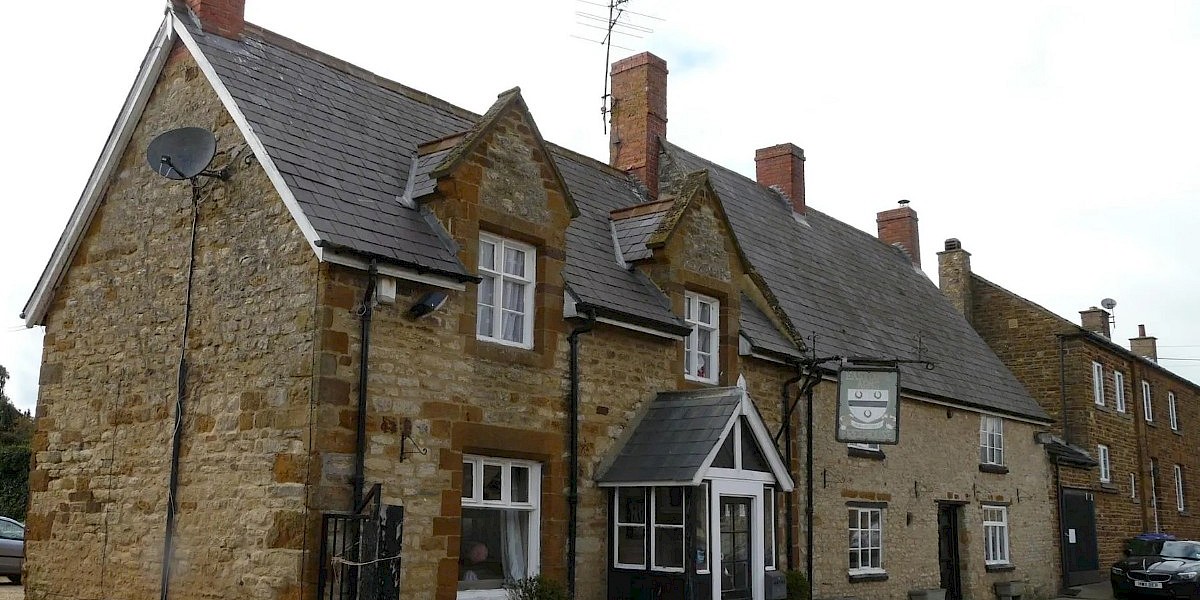
Eastcote is a small and peaceful village in the south of Northamptonshire that retains an atmosphere of timeless rural charm. Lying a short distance from Towcester, it is surrounded by open farmland, leafy hedgerows and gently undulating lanes that offer glimpses of the broader landscape. Its name, believed to derive from “east cottages” or “settlement to the east,” hints at its early origins, likely as a modest agricultural community serving the surrounding estates and farmland.
The village is closely linked with neighbouring Pattishall, sharing some amenities and a strong sense of community. While Eastcote itself is mainly a cluster of attractive homes—ranging from centuries-old stone cottages to sympathetically designed modern dwellings—the wider parish offers facilities such as a village hall, local playing fields, and a primary school. The surrounding fields and bridleways invite walkers and cyclists to explore the area, connecting to other historic settlements and scenic corners of the county.
A notable feature on Eastcote’s doorstep is the old RAF base at Upper Heyford, now partly repurposed but remembered locally for its wartime role. Within the village, there are reminders of its rural past in the form of barns, converted outbuildings and mature orchard trees that still mark the plots of older homesteads. The quiet lanes are punctuated by traditional gardens and the occasional stone wall, contributing to the village’s unspoilt appearance.
Faith has historically played an important role in village life, and while Eastcote itself no longer has its own parish church, residents have long been served by churches in the neighbouring settlements, many of which have medieval origins and striking architectural details. These remain focal points for worship, community gatherings, and seasonal celebrations.
Eastcote’s character is one of understated heritage and neighbourly warmth. It is the sort of place where the countryside is never more than a few steps away, where the pace of life is unhurried, and where the past still quietly shapes the present. For visitors and locals alike, it offers a sense of continuity, rooted in the gentle rhythms of Northamptonshire village life.